Get This Free Cheat Sheet Guaranteed To Help Your Next Mix

Showing posts with label isolated vocals. Show all posts

Friday, March 11, 2016

Def Leopard "Foolin" Isolated Vocals

Def Leppard "Foolin'" imageDef Leppard's first album was one of producer Mutt Lange's many masterpieces, with layer upon layer of stacked parts that fit perfectly together. Here's the isolated vocal track from "Foolin',"one of the hits from that album. Here's what to listen for (the quality isn't that great, unfortunately).

1. The lead vocal is compressed pretty hard, but it works perfectly in the context of the mix.

2. The vocals have an interesting gated reverb effect that blooms and then cuts off instead of the normal decay that you'd hear. Some mixers and producers used to refer to this as the "cloud" sound.

3. You don't think of Def Leppard as a keyboard oriented band but there sure are a lot of synths on this song, especially the low synth on the B sections and coming out of the solo.

4. Listen to the stacked background vocal harmonies at 4:10. It almost sounds like the background vocals on The Cars early albums.


Friday, March 4, 2016

Guns N' Roses "Welcome To The Jungle" Isolated Drums And Vocals

Steven Adler and Axel RoseIt looks like Guns N' Roses will be back touring again in some form and you can bet that one of the songs they play is "Welcome To The Jungle" from the band's first album. Here's an interesting version where you just hear the vocals and Steven Adler's drums. During the various interludes, solos and bridge you'll also hear some guitars, but it's mostly Izzy Stradlin's parts instead of Slash.

Here's what to listen for.

1. The snare drum has a fairly long slightly delayed reverb. It's pretty dark so it blends into the rest of the mix and just acts like a glue for the part.

2. The vocal has a shorter, wider gated reverb (sounds like a Lexicon 480) with a longer predelay and more upper midrange. It's also filtered differently so there's not much bottom on it. Again, this is designed to blend into the track more to give it a sheen rather than stick out.

3. There's a lot more cowbell in this song than I remember.

4. Listen to the rhythm guitar parts at 1:40 and 2:40. There are two different complimentary parts that are split left and right that you normally don't hear clearly in the final mix.


Friday, January 22, 2016

Taylor Swift "You Belong With Me" Isolated Vocals

Taylor Swift imageTaylor Swift's "You Belong With Me" was not only a worldwide hit, but also garnered nominations for Song of the Year, Record of the Year and Best Female Pop Vocal Performance at the 2009 Grammy Awards. Here are the isolated vocals from the song and a few things to listen for.

1. The vocal in the 1st verse seems very close to you because the medium delayed reverb is dialed back a bit compared to the rest of the song. There's also what sounds like a 1/4 note delay that blends seamlessly into the track except for certain phrases where it's emphasized.

2. At the end of the 2nd verse there's a delay hard panned left and right as an effect.

3. Listen for the solo vocal counterpoint line only on the right side during the bridge, as well as the hard panned effect at end.

4. The vocal is very compressed, but you don't hear the compressor working for the most part.

5. A lot of breaths are left in the track, especially in the first verse, to up the emotion in the song.


Friday, December 18, 2015

Allman Brothers "Ramblin' Man" Isolated Vocals

The Allman Brothers Band "Ramblin Man"The lead single from the album Brothers and Sisters, guitar player/singer Dickie Betts "Ramblin' Man" was to be the Allman Brothers Band's only top 10 single.

The song was also the first that featured keyboard Chuck Leavell (who eventually went on to become the Rolling Stones musical director) and the guitar playing of Les Dudek.

Here are the isolated vocals from the song. Listen for the following (the vocal begins at 0:07):

1. The Allmans were great with guitar harmonies but not so much with vocal harmonies. As you'll hear, their harmony vocal parts are very loose.

2. The vocals have a very nice sounding delayed reverb. It blends into the track very well and provides a nice "glue."

3. If you listen with headphones, you'll hear a variety of breath pops, mouth clicks, and general background noises that were very common in 1973, but we'd delete today.


Friday, November 20, 2015

Paul McCartney "Maybe I'm Amazed" Isolated Vocals

There are a lot of great singers in rock and pop, but for sure one of the best through the years has been Paul McCartney. Take a listen to this stunning vocal on his classic "Maybe I'm Amazed" from his first solo album. It's a rare combination of tone and passion that you so rarely hear these days.

Here are some things to listen for:

1. There's a very subtle effect on Paul's voice. I'm told that he favors a 175 millisecond delay on his vocals both in the studio and live, and you can hear it here, with a little bit of a short reverb tail on the delay as well.

2. The background vocals are Paul and Linda McCartney in a fairly open harmony, and have a more of the short reverb to push it back in the mix.

3. Check out Paul scatting during the guitar solo, which are mixed very low on the final mix.

4. It sounds like Paul did the vocal live while cutting the piano, then overdubbed the vocal on the last verse at 2:04 as the piano leakage changes.

All in all, this is one amazing vocal recorded when Paul was at the very top of his game.


Friday, October 2, 2015

Duran Duran "Girls On Film" Isolated Vocals

Duran Duran Girls On Film image
When Duran Duran burst on the scene in 1981 they were an immediate sensation, thanks in part to the provocative video of "Girls On Film." Here's the isolated vocal track from that hit.

The vocal starts at 0:18. Here's what to listen for.

1. Simon Le Bon's lead vocal is very closely doubled, except for the answers in the choruses.

2. There's a long delayed reverb with kind of a mid-range sound that's not too pleasant sounding by itself. It works great in the track though, proving again that things that don't work soloed often fit in the mix better than things that do.

3. As with all recordings done on tape, there are a lot of noises, pops, and foot movements that you can hear. Sometimes these were cleaned up with the spot-erase feature of a tape machine, but usually they were just left in because you wouldn't notice them in the track anyway. Also notice how sibilant the vocal is, although some of that might have to do with the audio on the video rather than the original multitrack audio itself.


----------------------------------

You should follow me on Twitter and Facebook for daily news and updates on production and the music business.

Don't forget to check out my Music 3.0 blog for tips and tricks on navigating social media and the new music business.

Friday, September 18, 2015

Katy Perry "Wide Awake" Isolated Vocal

It's always fun to hear what happens inside a song, which is why our Isolated Tracks Fridays are so much fun. This week we'll take a look at the isolated vocals from Katy Perry's big 2012 hit "Wide Awake."

The song was a world-wide hit, going top 10 in most countries and as high as #2 in the U.S. It was the last single from Perry's huge Teenage Dream album. Here's what to listen for.

1. The vocal begins with an interesting delay effect on the doubled background vocals (which are slightly spread left and right), with a med delay that has a long regeneration and long half-note delay with a slight ping-pong. This delay continues even on the lead vocal.

2. The vocal is very compressed and you can especially hear it work on the attacks in the B section and choruses.

3.  There's also a lot of auto-tuning going, sometimes more obvious than others.

4. Check out the cool stereo delay effect at 2:45 that's spread hard left and right.

5. The harmony background vocals in the choruses sound like they're Katy vocal samples triggered with a keyboard.


Friday, August 7, 2015

The Eagles: "Hotel California" Isolated Vocals

Hotel California image
The Eagles had already risen to star status when the album Hotel California was released, but thanks to the title track as well as 2 other hits from the album, they were rocketed ever higher to become one of the biggest bands in the world. "Hotel California" still holds up well today as a terrifically crafted song in all aspects, and that's what we'll listen to in our weekly Isolated Tracks/Song Analysis post.

The Eagles have always been known for their meticulous tracks, and "Hotel California" is no exception as we listen to the isolated vocals. Here's what to listen for (the vocal doesn't begin until 0:55).

1. Check out how long the reverb tail is on the vocals. The verb consists of mostly lower mids that blends in with the track so much that you hardly hear it in the final mix.

2. You can hear all of singer Don Henley's breaths in between phrases. This is something that we might get rid of today in many cases.

3. The background vocals are all doubled but are in the center of the mix.

4. The lead vocal is heavily compressed, but there's only a few times when you can hear it really work, like on the harmony section at 2:55.


Friday, July 10, 2015

The Beach Boys "Wouldn't It Be Nice" Isolated Vocals

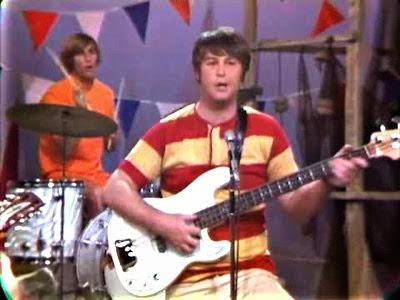
The Beach Boys in the studio image
"Wouldn't It Be Nice" is the opening track of The Beach Boys triumphant Pet Sounds, an album that many think is the group's best ever. The song's basic track was cut in 21 takes by the famous studio band The Wrecking Crew at Gold Star Studio in Hollywood as leader Brain Wilson tried to capture some of the famous Phil Spector "Wall of Sound."

The vocals were cut over two sessions at the long defunct Columbia Recording Studios, also in Hollywood, with the ever-meticulous Wilson demanding take after take from the band to reach his vision. Here's the isolated vocals from the final product, and a list of things to listen for.

1. Like most songs of the era, the lead vocal is doubled. The difference is how tight the doubling is, which was unusually precise for the time.

2. The background vocals are also doubled and spread slightly left and right. Sometimes, the harmony stacking is a little different on each side as well.

3. As with most Beach Boy songs, there's lots of long reverb on the vocals.

4. What's unusual for most pop harmony vocals is the use of the low bass voice, which is used so well during the bridge.

5. Listen through to the end where you can hear a little snippet of discussion after the take.

6. All of the outtakes from the sessions for Pet Sounds are available in an album called The Pet Sounds Sessions.


----------------------------------

Friday, June 19, 2015

The Beatles "Girl" Isolated Vocals

Girl cover - The Beatles image
For many, Rubber Soul is the consummate Beatles album that really turned the genre into an art form. One of the most covered songs from that album is "Girl," and we'll take a look at its isolated vocals today. Here's what to listen for.

1. There's a count off at the beginning that you won't hear on the final album mix.

2. The lead vocal features just a single John Lennon vocal track on the verses. This is unusual in that Lennon didn't like the sound of his voice and always preferred to double it (which happens in the chorus) on most of the songs that he sang.

3. There's a fair amount of compression on the vocals along with the famous Abbey Road reverb that just melts into the track.

4. The Beatles harmonies vocals are doubled (except at the end of the bridge) and as beautiful as ever. Listen to the end of the bridge at 1:20 where it gets a little pitchy, and a mistaken vocal entrance at 2:02. Obviously, these aren't heard in the final mix.

Friday, June 5, 2015

Tears For Fears "Shout" Isolated Vocals

Tears For Fears Shout image
Tears For Fears "Shout" was a huge worldwide hit in 1985 and still enjoys widespread airplay on classic rock radio everywhere. The song was eventually released in 15 versions by the band, but the one with the isolated vocal track that we'll look at today was from an extended dance mix. Here's what to listen for:

1. The vocal has what sounds like a very bright AMS RMX16 reverb that sounds like it's set to the Non-linear preset so it sounds like there's a gate cutting off the tail.

2. TFF are known for their very precise recording techniques and usually don't let anything get by, but you can hear some iffy vocals especially at 0:48 on "violent" and also whenever there's a low note in the verse. You never hear it in the final mix, and that's what counts.

3. The chorus is doubled first by singer Roland Orzabal and then later with bandmate Curt Smith doing the counterpoint.

4. There's a lot of compression on the vocal, especially on the higher phrases, in order to keep the lower intensity phrases the same level as the higher ones.


----------------------------------

Friday, May 22, 2015

The Ronettes "Baby I Love You" Isolated Vocals

The Ronnettes with Phil Spector image
Here's a real treat. It's the isolated vocal track from The Ronette's 1963 hit "Baby, I Love You," an excellent example of the Phil Spector "wall of sound." The song featured The Wrecking Crew on the backing track, and background vocals that included Cher and The Blossoms (with Darlene Love). Here are some things to check out.

1. The track is swimming in reverb, but that was the Spector sound. Gold Star Recording had a unique live chamber that had a frequency response that was just right for packing on a lot of verb without getting in the way.

2. Everything was recorded on the same track. This was probably done on a two track tape machine with the instruments all recorded on one track, which left the second track open for vocal overdubs. That's why you hear the lead vocal, background vocals and claps, which were all recorded at the same time.

3. The track is panned to the left, which probably means that the music was panned to the right. In the early days of stereo, there was no standards and no one really had any idea how to pan things (believe it or not). Not only that, pan pots didn't exist yet, so the engineer only had the ability to pan hard left, hard right or in the center.

4. Check out the claps, which you don't hear well in the full mix. The song starts with them, they come back during the instrumental breakdown and then do double time on the outro.

5. Listen to the end to hear Phil Spector.


Friday, May 15, 2015

Lenny Kravitz "Fly Away" Isolated Vocals

Lenny Kravitz "Fly Away" image
"Fly Away" was one of Lenny Kravitz's biggest hits, reaching #1 in the UK and #12 in the US. The song also went on to a long history of use in commercials around the world.

Today we're going to look inside the song with an isolated vocal track that's pretty cool. Here's what to listen for.

1. The vocal is very compressed. You can especially hear it grab on the attacks of any loud phrases like the beginning of the chorus at "I want to get away." There's also a lot of sibilance that comes from the heavy compression that you don't necessarily hear in the full mix.

2. There's a medium-long reverb on the vocal that moves from right to left, with the left side being slightly longer. A very nice mixing touch.

3. Listen to the chorus effect that acts as a double during the chorus on "I want to fly away."

4. Also take note of the half-note delay on the background vocals, which is also added to the second verse of the lead vocal.

5. On the third chorus at 2:10 another background part enters ("With You") that's fairly dry so it pushes to the front of the mix.


Friday, April 3, 2015

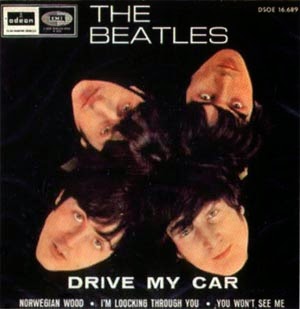
The Beatles "Drive My Car" Isolated Vocals

The Beatles "Drive My Car" image
It's always both interesting and informative to look back on recordings created during a simpler time, when arrangements were lean and tracks were few. Here's the isolated vocals from a rather enduring Beatles song from their 1965 Rubber Soul album called "Drive My Car." Here's what to listen for (it begins at 0:07).

1. The verses are clearly Paul McCartney on the top vocal and John Lennon on the bottom. When you listen to the full arrangement Paul jumps out of the mix, but John is somewhat buried.

2. As with most Beatle recordings, it's slathered in that syrupy Abbey Road reverb that seems to fit into the track regardless of how much is used.

3. The excellent Beatle three part harmony is in evidence in the turnaround and the chorus, with George Harrison joining McCartney and Lennon with the middle harmony part.

4. The second turnaround ("I can show you a better time") is not really together timing wise and McCartney's voice cracks on "time." You really don't hear this when mixed with the other instruments. Of course, we'd fix this right away if recorded today, but that also contributed to the character of the song.

5. The second and last chorus has the harmony vocals doubled, as are the "beep, beeps."

6. The first two "And baby I love you" sung by Lennon sound like they were overdubbed, as the background leakage changes. The last one is doubled.


----------------------------------

You should follow me on Twitter and Facebook for daily news and updates on production and the music business.

Don't forget to check out my Music 3.0 blog for tips and tricks on navigating social media and the new music business.

Friday, March 27, 2015

38 Special "Hold On Loosely" Isolated Vocals

Hold On Loosely Record image
Some artists and bands are lucky enough to get one iconic song that will continue to be played on the radio even decades after it was popular. 38 Special's "Hold On Loosely" from the bands Wild Eyed Southern Boys album (their 4rth) is just such a song, and today we'll take a listen inside to the isolated lead vocal. Here's what to listen for.

1. Take a listen to the reverb. There's a lot of it on the vocal (which you don't hear in the mix), and it's pretty short and delayed. Reader Bruce Coffman wrote in that it sounds a lot like a gated reverb from a Lexicon 224 with the diffusion maxed out to give it a sort of cloud at the end, hence the name "cloud delay."

2. Most of the song has the lead vocal doubled. The exceptions are in the beginning of the first verse and the ad libs on the outro.

3. The double is pretty close but not perfect. In fact, on some phrases one of the parts is dipped out, presumably because of the performance. Don't forget this song was recording in 1981 in the days before DAWs so you'd be lucky to get one perfect performance, let alone two.

4. Listen to the "Don't tell me" section of the pre-chorus. It's dry and spread out left and right, where the other doubles are up the center.


----------------------------------

Friday, March 6, 2015

Nirvana "Smells Like Teen Spirit" Isolated Vocals

Nirvana Onstage image
Very few artists or bands can change the direction of music but that's exactly what Nirvana did when they burst on the scene in 1991 with "Smells Like Teen Spirit" off of the band's debut album Nevermind (here's a great vinyl reissue).

It's one of the few songs by the band that's actually credited to all three band members as authors, which in this case came about after a number of arrangement changes by bassist Krist Novoselic and drummer Dave Grohl to the song that guitarist Curt Cobain brought into rehearsal.

Here are the isolated vocals from that song (which begins at 0:33) as well as what to listen for:

1. The lead vocal has an interesting reverb that sounds more like a long delayed ambience than a typical plate or hall effect. It's delayed and fairly short and dark so it blends into the track well.

2. Take notice that the B-section vocal is doubled and spread out in stereo a little to the left and right. The left vocal is a little drier than the right side, which is pushed back in the mix a very short amount.

3. The last lines of the verses and chorus again feature a doubled lead vocal that's back in the center of the mix.

4. Listen to the sounds of the open mic before the second verse at 1:40.

5. Listen all the way through to the end to hear the ending that didn't make the record.


----------------------------------

Friday, February 27, 2015

Foreigner "Double Vision" Isolated Vocals

Foreigner Double Vision image
The band Foreigner is still around and going stronger than ever, but much of their current touring is based on past hits like "Double Vision," the song that we look at today. Here are the isolated vocals from that big hit, which reached #2 on the Billboard charts in 1978. Here's are some things to listen to (it starts around 0:20):

1. Take a listen to the long delayed reverb on the verse vocals. This is muted in the choruses so the vocal feels more intimate.

2. The chorus features a doubled lead vocal up the center, while the harmonies are panned to the outside.

3. You can clearly hear a punch in at 2:43 and 2:53, a relic from the old tape days.

4. The harmony vocals are doubled and panned left and right during the bridge at 2:39.

5. Note the flange on the last lead vocal line at 3:30.


Don't forget to check out my Music 3.0 blog for tips and tricks on navigating social media and the new music business.

Thursday, January 29, 2015

The Cars "Let The Good Times Roll" Isolated Vocals

If you ever need a lesson in stacking vocals, you can get it from The Cars and producer Roy Thomas Baker, with a great example being this week's isolated vocal track of "Let The Good Times Roll" from the band's first 1978 album.

The entire album was recorded in only two weeks, but the background vocals are special in that they fully utilize Baker's unique Stephens 40 track tape machine with layers of overdubs.

This technique has been used a lot since then, but mostly when you have a band that doesn't sing well together. By doubling, tripling, quadrupling (and more) each vocal part, you even out any of the rough parts that might occur while providing a big choir-like sound at the same time. Here's what to listen for (it starts at 0:12);

1. The reverb on the lead vocal is delayed and very long and dark. If fact, it seems to build after the vocal phrase, almost like it was compressed with short release time.

2. Listen to the phrase releases on the harmonies of "Let the good times roll." They're very short, clean and concise.

3. The lead vocal by Ric Ocasek isn't doubled, which is unusual for the time, and it's not exactly in tune, although it's quirky enough that it doesn't matter in the track.

Thursday, January 15, 2015

The Beach Boys "California Girls" Isolated Vocals

The Beach Boys image
Here's an absolute classic. It's the isolated vocals from The Beach Boy's all-time great hit "California Girls." The band was already big long before this song, but this 1965 song put them in a new stratosphere.

The song was written by Brian Wilson (who also produced) and lead singer Mike Love. The basic track took 44 takes by the studio band known as The Wrecking Crew (which included Leon Russel on piano here), recorded at Hollywood's famed United Western Recorders. The vocals were recorded about a month later in New York City at the equally famous CBS Columbia Square studios.

An interesting side note, this was the first song that Bruce Johnston sang on, having just replaced Brian Wilson in the road band. You can hear him on the falsetto parts on the outro. Here's what to listen for:

1. Mike Love's lead vocals are doubled and panned left and right. You don't hear the double so much on the final mix because they're fairly close (especially given the era this was recorded in).

2. There are two sets of harmonies that are spread slightly left and right. Although some parts are doubled in places, for the most part there are mostly different counterpoint parts that mesh together perfectly.

3. This is one of the best examples of the BBs trademark, which is the low bass vocal part. It's something that you rarely hear during background vocals of any era.

4. The harmonies aren't perfect. When you think of The Beach Boys, you think of impeccable vocals, but in this case, there are little inconsistencies throughout. There's a few wrong notes, a few minor sour ones, and some ragged releases, especially towards the end.

5. Listen through to the end, where you'll hear what took place after the fade of the final mix.


Thursday, January 8, 2015

Fleetwood Mac "Go Your Own Way" Isolated Vocals

It's Friday again and that means it's time for another isolated track. Today we'll listen to the isolated vocals from Fleetwood Mac's big hit "You Can Go Your Own Way, (this is a Spotify link)" the first single from the band's huge 1977 Rumours album. Here are some things to listen for (the track starts at 0:07).

1. Check out all the the breaths on the track. You can hear lead singer Lindsey Buckingham take a big breath of air before most vocal phrases, and the whole band before each harmony chorus. We'd probably delete these today in our DAW world.

2. There's a nice medium length delayed reverb on the vocals. There's more there than what you think is there when you listen with the instrumental track.

3. The lead vocal is at the top of the harmony stack, which is somewhat unusual.

4. The harmonies begin to get sloppy with the releases towards the end of the song at 3:30. You can hear all vocalists ending the phrases at different times, which doesn't happen earlier on.


LinkWithin

Related Posts Plugin for WordPress, Blogger...